


Buying a house in Scotland has distinctive legal steps. A Scottish solicitor usually manages the offer and conveyancing, the seller generally provides a Home Report for most marketed homes, and the contract becomes binding when the parties conclude missives. This guide explains what each stage means and what UK and overseas buyers should verify.
How Buying a Home in Scotland Works
Start with your total budget and what you intend to do with the property. Purchase price is only one component: allow for solicitor and survey costs, finance, condition, moving or refurbishment, and Scottish Land and Buildings Transaction Tax (LBTT) where applicable. Additional Dwelling Supplement may apply to second homes and investment acquisitions.
Unlike England and Wales, Scottish offers and the sequence of missives have their own conventions. Consult the official Scottish Government home-buying guide and a Scottish solicitor before making an offer.
A Guide On Property, Mortgage And Solicitors In Scotland

Choose a conveyancing solicitor experienced in Scottish property transactions before making an offer. A mortgage agreement in principle can help establish a likely borrowing range but is not a guaranteed mortgage or an unconditional legal prerequisite for submitting every offer.
Ask the solicitor about the Home Report, property title, access, any tenancies, special conditions, expected settlement date and when missives would become binding. For investment purchases, also check local rental demand, landlord registration, licensing where applicable and exit value.
Noting Interest, Closing Dates and Offers

Where multiple buyers note an interest, the seller may set a closing date for written offers. The buyer’s solicitor submits an offer that specifies price, proposed entry date and conditions. The seller does not have to accept the highest offer; the seller can consider the proposed conditions and certainty of completion.
A closing date is not automatically a requirement to pay a non-refundable deposit. Do not pay money or rely on verbal statements about binding commitments without independent solicitor advice. Read the official offer guidance.
Home Report

This is a key document in the house buying process. The home report is divided into three parts:
- A single survey, an evaluation done by the surveyor and confirming the condition and repairs needed for the house, along with how much the house is worth. At this stage, you can get an idea of how much you can spend on renovation and repairs and leave the process without a penalty.
- A property questionnaire, which is designed to give you information about the home, including past accidents that affected the home, extensions made to the home, any notices that might affect the house and the council tax band.
- The energy report, as it reads, measures the energy efficiency and environmental impact of the house. It’s a good way of understanding the energy use and cost average in terms of heating, lighting, etc.
While a seller can choose not to present you with the Home Report (based on personal discretion, they might believe you don’t have the budget), the Energy Certification is necessary.
Note of Interest
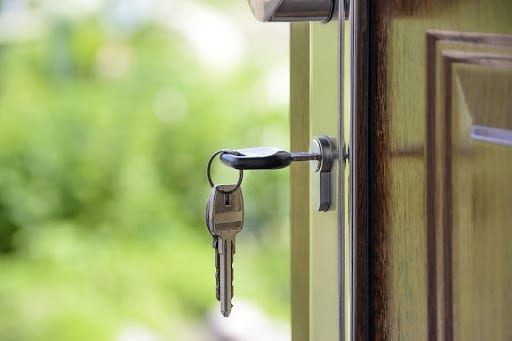
A note of interest tells the selling agent that you are seriously considering the property and wish to be informed if a closing date is set. It is not itself an offer or a reservation of the property. Your solicitor can record a note of interest and advise when to proceed to a formal offer.
Missive
Missives are the formal letters exchanged by the buyers’ and sellers’ solicitors as they negotiate contractual terms. A qualified acceptance may be followed by further correspondence. Once missives are concluded, the contract is binding; withdrawing may have serious financial consequences. Your Scottish solicitor should explain exactly when that happens and whether any conditions remain.
Settlement

At settlement, the agreed purchase funds and legal documents are exchanged and the conveyancing process is completed. Your solicitor handles title registration and explains when you may collect the keys. Arrange the insurance cover required by your mortgage and contract, and allow for utilities, letting arrangements or works where relevant.
Additional Information
Scotland uses Land and Buildings Transaction Tax rather than Stamp Duty Land Tax for most Scottish purchases, and an Additional Dwelling Supplement may apply. Verify current rates using Revenue Scotland’s calculator. For property acquisition support, see our Scotland sourcing for overseas investors or deal review methodology.
Conclusion
Scotland’s property buying system looks pretty straightforward, especially to a foreign buyer. The terms and conditions are unique to the country, but it also makes it easier to communicate with your agent or solicitor regarding any property of interest.
About The Author

Pearl Lemon Team
Related property services and locations
Discuss your property brief
If you have a budget, location or investment strategy in mind, share the brief so the next step can be focused on the opportunities and checks that matter to you.