


Where to Buy Property in South Wales: Cardiff, Swansea, Newport & Valleys

Source: Pixabay
How to Choose a South Wales Investment Location
South Wales is not one investment market. Cardiff, Swansea, Newport, Monmouthshire and Valleys towns have different purchase prices, tenant demand, transport links and resale prospects. A suitable area depends on whether you are seeking a single-let, licensed HMO, refurbishment opportunity or long-term family rental.
Start with your buying criteria: budget including tax and works; realistic net cash-flow target; intended tenant group; finance; acceptable condition; and your likely exit. Compare recent sold properties and completed rental lettings at street level rather than using one regional average.
Our Cardiff property sourcing, Swansea sourcing and deal review methodology explain how we assess individual opportunities.
What Can Drive South Wales Property Returns—and Risks?

Employment and connectivity: a home close to work, transport and services may appeal to a different tenant group from a rural property with limited access. Check commuting times and actual competing listings.
Condition and energy performance: a relatively low price can be offset by older building stock, insulation needs, roof or damp repairs and expensive heating upgrades. Commission appropriate surveys.
Regulatory requirements: Wales has its own Land Transaction Tax and distinct residential letting rules. For HMOs, check licensing and planning with the relevant local council at the property address.
Investment viability: gross yield alone is insufficient. Model repairs, voids, management, finance and expected resale demand. Do not rely on pandemic-era relocation assumptions or unsupported guarantees of capital appreciation.
Cardiff: Professional Lets, Students and HMO Opportunities
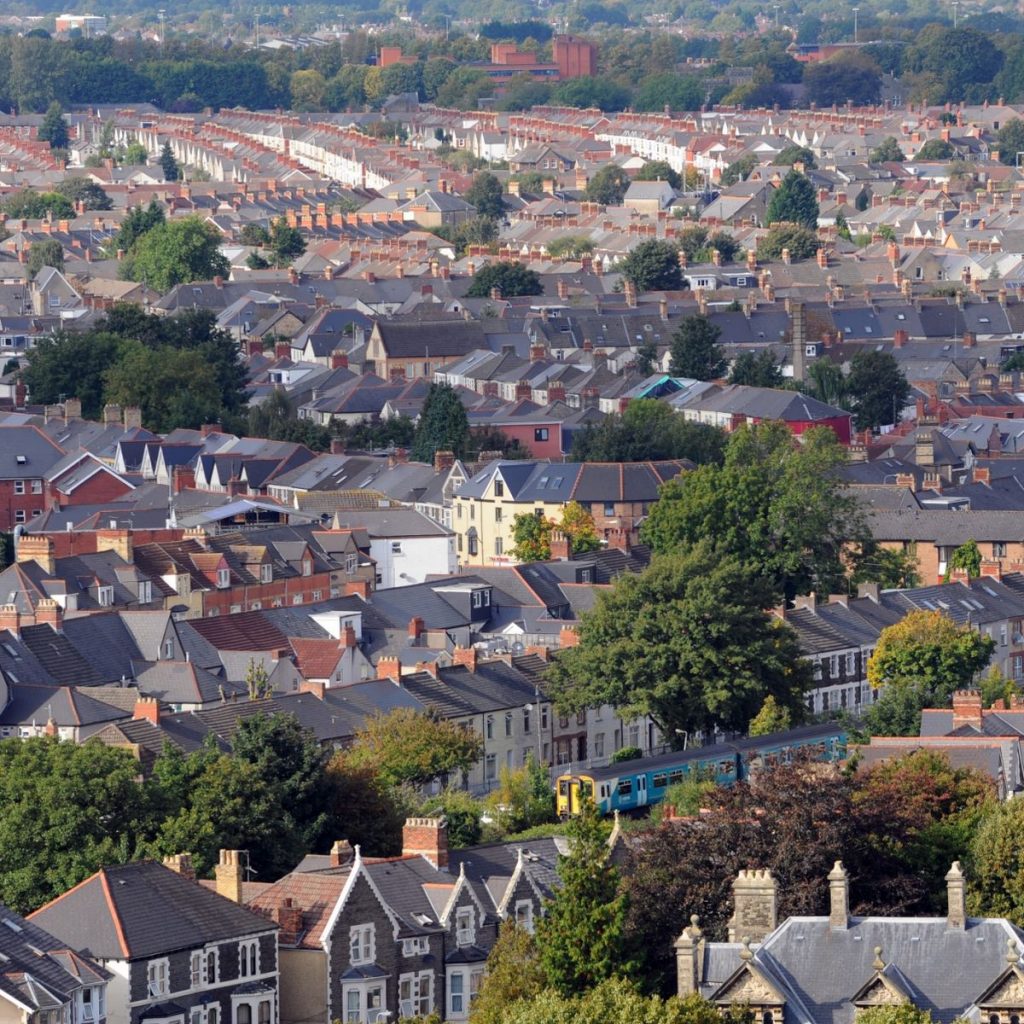
Source: Wales Online
Cardiff supports several distinct rental markets: city-centre apartments, employment-linked professional lets, student areas around its universities and suburban family rentals. The appropriate investment differs between these segments. A city-centre flat can involve significant service charges; a terraced conversion can involve more work, planning and HMO licensing risk.
For each Cardiff candidate, compare recent completed sales, local rent evidence, tenure, building condition and required works. Avoid relying on an old single “average house price” as evidence of today’s market. See Cardiff investment property sourcing and Cardiff HMO sourcing.
Swansea: Coastal, Student and Residential Submarkets

Source: Wales Online
Swansea combines student demand, professional employment, coastal homes and suburban family housing. These submarkets are not interchangeable: compare a student house against other student lets and a family rental against homes with similar transport, schools and amenities. Near-coastal property may require additional condition, insurance or flood-risk checks.
Lower entry prices can improve apparent yield but do not remove void, refurbishment or management costs. Use our Swansea sourcing service to assess properties against a defined buying brief.
Newport: Commuter, Family and Value-Add Property

Source: Wales Online
Newport may suit investors researching commuting, family letting or refurbishment-led opportunities, but the suitability of a specific street depends on transport, condition, achieved rents and comparable sold prices. Investigate the actual property and nearby competing rentals instead of assuming every area benefits equally from links with Cardiff or Bristol.
For a value-add project, commission surveys, cost the works realistically and verify that the intended letting or resale strategy is legally and commercially feasible.
Monmouthshire: Higher-Budget Homes and Location-Specific Demand

Parts of Monmouthshire attract buyers seeking access to countryside and connections toward South Wales or the Severn crossings. However, rural villages and well-connected towns can differ greatly in liquidity, rental demand, insurance, access and maintenance costs. The former removal of Severn crossing tolls is historical context, not proof that prices will keep rising.
Investors should look for genuinely comparable completed sales and practical tenant or buyer demand. Check flood and environmental risk with Natural Resources Wales when appropriate.
South Wales Property Investment Checklist
- Set the full investment budget, including current Welsh Land Transaction Tax and possible higher rates.
- Choose a specific strategy and target tenant group.
- Check recent sold prices and realistic comparable rents in the immediate area.
- Evaluate title, tenure, condition, works, energy efficiency, flood exposure and finance.
- For an HMO or conversion, verify existing use, planning and licensing with the relevant council.
- Calculate net cash flow and a downside scenario involving voids, works or a slower resale.
There is no universal best area. If you have a live buying brief, book a UK property consultation to discuss what you are actually seeking.
About The Author